Solvent Cure Test
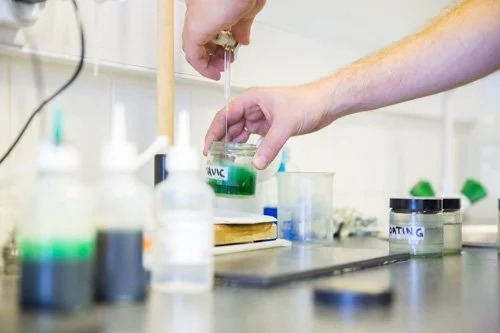
Powder coatings start as a powder that manufactures heat to create a durable, smooth and uniform finish. Professional powder coaters must use the correct temperature and cure time to achieve sufficient adhesion and maximum durability. You can perform a solvent cure test to test how well the powder coating has cured.
This test involves rubbing a cotton swab soaked in methyl ethyl ketone 25 times over the cured coating. Then, you can assess the cotton and coating for signs of degradation. A bit of rubbed-off color or gloss is fine, but the coating fails the test if too much coating rubs off or you see the metal underneath.
Crosshatch Adhesion Test
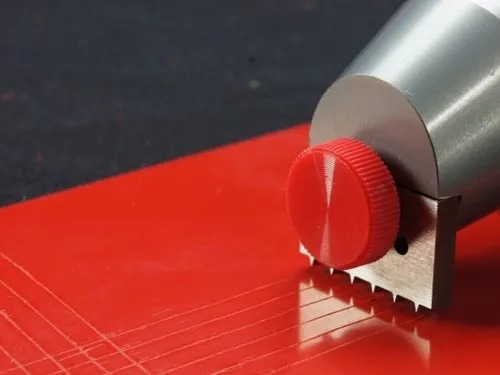
Adhesion refers to how well the powder coating attaches to a surface. Without proper adhesion, the coat will chip or peel off easily. The crosshatch adhesion test is a standard method for testing powder coating adhesion. This test is destructive, so you must create a separate panel for testing purposes.
To perform this test, use a specified crosshatch blade to make five parallel cuts through to the metal. Then, create five more cuts on top of and perpendicular to the first cuts. When you’ve formed a grid, apply special pressure-sensitive tape and pull it off at a 180-degree angle. The coating passes the test if nothing pulls off with the tape.
Impact Test
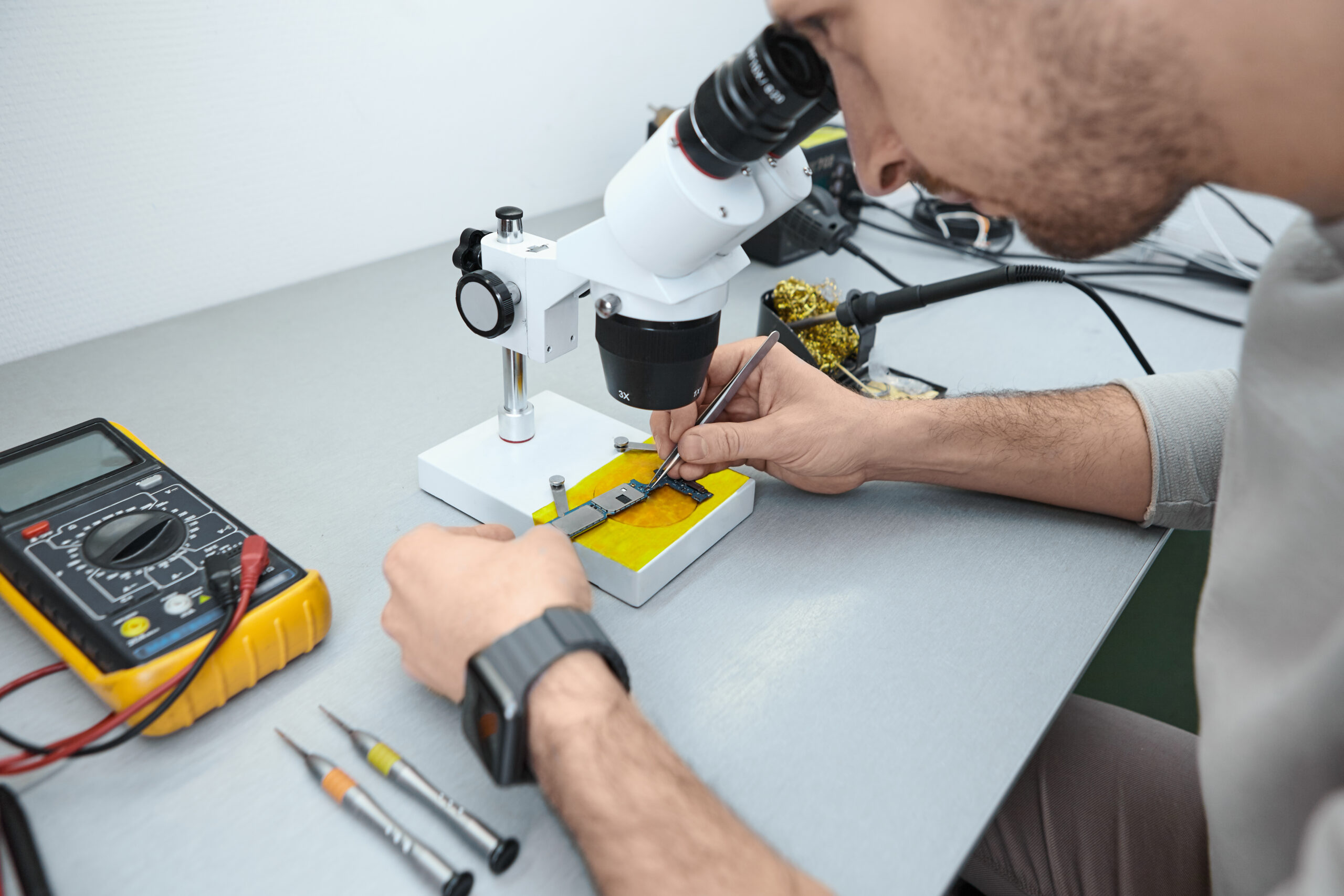
You can perform the impact test to assess your powder coating’s adhesion and determine how well it holds up in high-stress environments.
This test is also destructive, so prepare a separate panel and place it into an impact testing machine. The machine will drop a weighted ball to form a depression in the panel. The finish should not crack or separate from the metal in the impact area.
Mandrel Bend Test
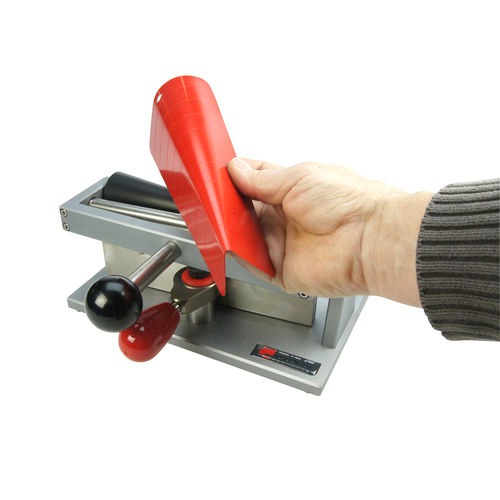
The mandrel bend test is another adhesion test for powder coating quality testing. It focuses more on the finish’s flexibility and how well it bends or elongates. Powder coating must have a specific elasticity level to prevent cracking or crazing during use.
You will need a specialized device to perform the mandrel bend test. Some devices have either multiple cylindrical mandrels or a single conical mandrel. Both will test the elasticity of the coating at various degrees, but the conical mandrel makes the process faster. Place the panel in the device and use it to bend the metal over onto itself. The bend area should not crack or separate from the surface at the desired bending angle.
Salt Spray Test
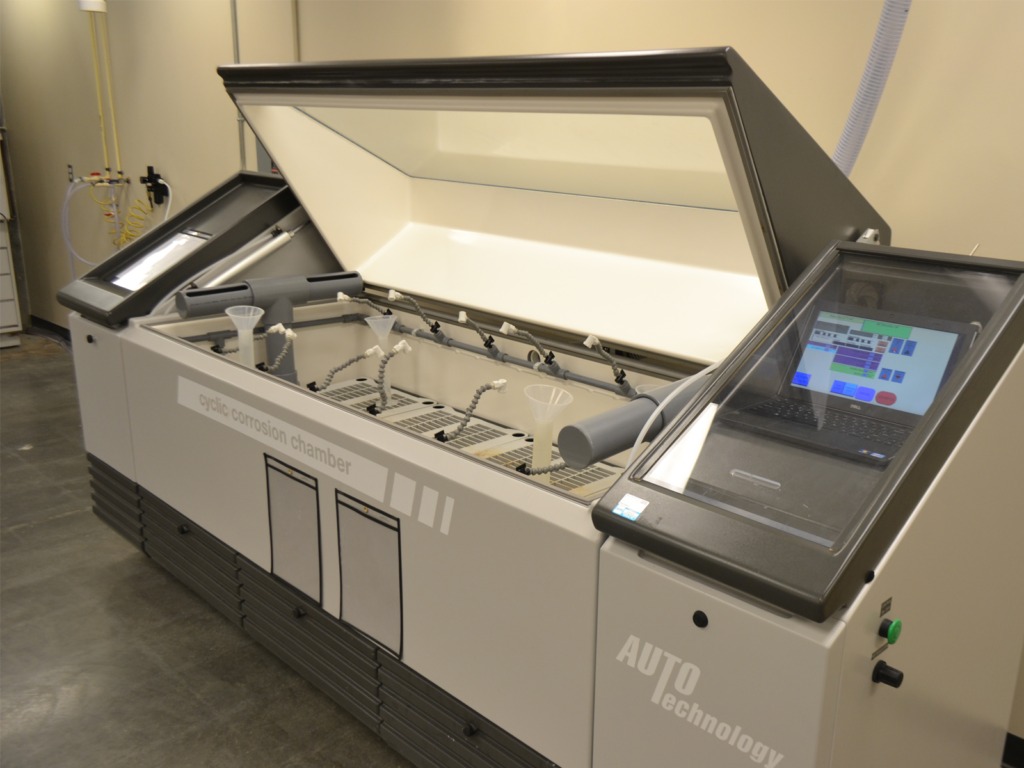
The metal surface will rust and corrode if water circumvents the powder coating barrier due to poor coating and curing. You can perform the salt spray test to test corrosion resistance for powder coating finishes.
The salt spray test involves cutting an X into a prepared powder-coated panel and placing it into a sealed fog or weather chamber. The chamber will mist a corrosive salt solution onto the panel for a set period, and you’ll need to take it out at specific intervals to record how far the coating creeps or moves away from the line you made. The coating passes the test if creepage is less than one-quarter inch.
Certifications
A reputable powder coating service provider should have ISO 9001 certification. This quality standard is designed to help companies ensure they meet all the requirements of their customers and stakeholders. Part of your criteria for choosing a powder coating service should be consistency in providing high-quality services and this certification is proof that the company strives to meet customer expectations.
As a company dedicated to quality services, Keystone Koating holds the following certifications:
As a company dedicated to quality services, Keystone Koating holds the following certifications:
- ISO 9001:2015 certification: This certification affirms the use of a stringent quality management system designed to ensure products meet all applicable specifications.
- AAMA 2605: This American Architectural Manufacturers Association standard is given after coating has been tested for weather resistance, color and gloss retention, corrosion resistance, adhesion and chemical resistance.
- JLG certification: This certification is issued when a company meets high standards in quality control management, pretreatment monitoring, data procurement and recordkeeping.